Quiet Nights, Happier Mornings: Night Guards for Kids Who Clench or Grind
Many parents don’t realize their child may be grinding their teeth until they hear it at night—or notice a complaint in the morning like “my jaw feels tired” or “my teeth feel funny.” Tooth grinding and clenching can happen in children for several reasons, and while it doesn’t always lead to long-term damage, it’s worth checking. Night Guards can be a helpful solution when grinding starts to affect comfort, sleep, or tooth health.
The goal of Night Guards is not to label a child as a “grinder” forever. The goal is to protect teeth and help the jaw rest while the dental team watches what’s going on. When used appropriately, Night Guards can reduce wear, improve comfort, and give families peace of mind.
What Night Guards Are and How They Help
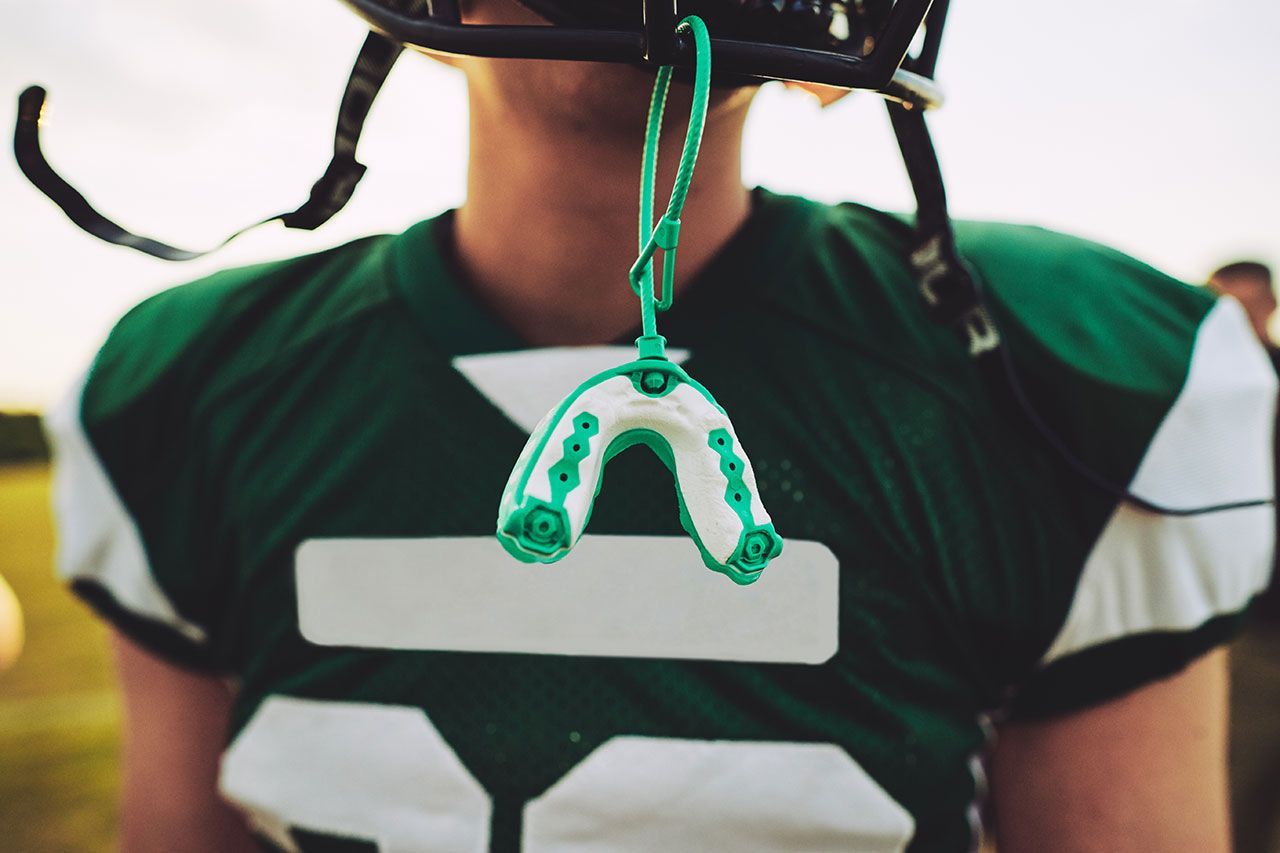
Night Guards are protective appliances worn over the teeth during sleep. They create a barrier between the upper and lower teeth so that grinding forces don’t rub enamel against enamel.
When a child clenches or grinds at night, it can lead to:
- Flattened or worn tooth edges
- Increased tooth sensitivity
- Small chips or cracks over time
- Jaw soreness, morning headaches, or facial muscle fatigue
- Disrupted sleep for the child (and sometimes the whole household)
Night Guards help by absorbing and spreading out the pressure. They can also help the jaw settle into a more relaxed position, depending on the type of guard and the child’s bite.
It’s important to know that Night Guards aren’t meant to “stop” the habit overnight. In many cases, grinding fades as children grow, stress levels change, and the bite develops. Night Guards are often a protective bridge—supporting the teeth while the dentist monitors growth and symptoms.
Why Kids Grind or Clench Their Teeth
Parents often ask, “Why is this happening?” There isn’t always one clear reason, but common factors include:
Growth and Bite Changes
Children’s mouths are constantly changing. When baby teeth loosen, adult teeth erupt, and the bite shifts, grinding may show up for a period of time.
Stress and Busy Days
Kids process stress differently than adults. Big changes like a new school, sports pressure, or even excitement can show up as nighttime clenching.
Airway and Sleep Patterns
Some children grind more when they have trouble sleeping comfortably. Mouth breathing, allergies, or frequent congestion can affect sleep quality and lead to clenching.
Habit and Muscle Pattern
Sometimes grinding becomes a learned pattern. The jaw muscles may stay “on” even when the child is sleeping, especially in kids who clench during the day too.
Because there are many possible causes, the best first step is evaluation. A pediatric dental team can help determine whether Night Guards are appropriate and whether any other support may be helpful.
Signs Your Child Might Need Night Guards
Not every child who grinds needs a guard. But Night Guards may be recommended if you notice:
- Grinding noises at night that happen often
- Tooth wear, flattened edges, or small chips
- Tooth sensitivity with hot, cold, or sweet foods
- Jaw soreness in the morning
- Headaches that seem to appear after sleep
- Complaints of tired facial muscles
- A child who frequently chews on pencils, shirts, or objects (sometimes linked with clenching)
You might also notice that your child’s teeth look shorter or “more flat” than before. If you’re unsure, bring it up at the next visit. A dental exam can show whether the teeth are experiencing stress that makes Night Guards a smart option.
Night Guards for Kids: Why Custom Fit Matters
When parents hear “night guard,” they sometimes think of one-size options. But children’s mouths are developing, and fit matters. Night Guards that are custom-made can be more comfortable and more effective for many kids.
A well-fitted guard should:
- Stay in place without constant shifting
- Feel comfortable enough that a child can sleep
- Protect the right teeth without pinching the gums
- Allow normal breathing during sleep
Custom Night Guards are made based on your child’s mouth, which usually means less bulk and fewer “I can’t wear this” complaints. Kids are far more likely to stick with Night Guards when the fit feels natural.
What to Expect When Getting Night Guards at the Dentist
The process for Night Guards is typically simple and child-friendly:
- Evaluation and Discussion
The dentist checks for wear patterns, bite changes, and symptoms. Parents can share what they’ve noticed at home—sounds, morning complaints, or changes in comfort. - Scanning or Impressions
The team captures your child’s tooth shape so the Night Guards fit properly. - Fitting Appointment
When the guard is ready, your child tries it on. The dentist checks comfort and bite and makes adjustments if needed. - Home Instructions
You’ll receive clear steps for cleaning, storing, and wearing the guard consistently.
Because kids grow quickly, Night Guards should be rechecked at regular visits. Your dentist may recommend replacement if the fit changes due to growth, new teeth coming in, or orthodontic treatment.
Helping Your Child Get Used to Night Guards
Even a comfortable guard can feel new at first. Here are gentle ways to help your child adapt:
- Have your child try the
Night Guards for short periods before bed, like while reading or watching a calm show
- Keep the routine consistent—same place, same case, same bedtime rhythm
- Use simple language: “This helps your teeth rest.”
- Praise effort, not perfection. Many kids adjust within a few nights.
If your child complains about rubbing, tight spots, or difficulty sleeping, let the dental office know. Small adjustments can make Night Guards much easier to wear.
Caring for Night Guards the Right Way
Good care helps Night Guards last longer and stay fresh:
- Rinse with cool water after each use
- Brush gently with a toothbrush (avoid harsh scrubbing)
- Let the guard air dry before storing
- Keep it in a ventilated case
- Avoid heat (hot water, dishwashers, or hot cars), which can warp the guard
Also, keep Night Guards away from pets—dogs, especially, love chewing them.
If the guard develops an odor or buildup, ask the dental team for safe cleaning suggestions. Avoid strong chemicals or boiling water, which can damage the material.
Benefits of Night Guards
When recommended for the right child, Night Guards offer meaningful benefits:
- Protect teeth from wear: They reduce rubbing and pressure that can flatten enamel over time.
- Reduce sensitivity and discomfort: Less grinding force often means fewer sore mornings.
- Support jaw comfort: A barrier can reduce muscle fatigue and tension.
- Improve sleep quality for some kids: When the jaw is more relaxed, sleep can feel smoother.
- Provide peace of mind for parents: You’re protecting teeth during the hours you can’t monitor.
- Helpful during growth phases:
Night Guards can protect teeth while the bite develops and changes.
The biggest benefit is simple: fewer problems later. Night Guards help keep small habits from becoming bigger dental issues.
When Night Guards May Not Be Needed
Some children grind lightly for a short season and never develop tooth wear or discomfort. In those cases, the dentist may recommend:
- Monitoring at routine visits
- Reinforcing bedtime routines and stress-reducing habits
- Watching for signs like sensitivity or jaw soreness
The decision for Night Guards should feel personalized, not automatic. A pediatric dental team looks at symptoms, tooth health, and comfort before recommending a guard.
Final Thoughts for Families in Gallatin
If your child clenches or grinds at night, you’re not alone—and you don’t have to guess your way through it. Night Guards can be a simple, supportive tool to protect teeth and help your child wake up more comfortable. With the right fit and the right plan, many kids adjust quickly and benefit for months or years as their bite develops.
If you’d like to find out whether Night Guards are right for your child, contact Trailhead Pediatric Dentistry at 124 Goodview Way Suite B, Gallatin, TN 37066 or call 615-575-3344 to book an appointment and get a clear, kid-friendly plan for protecting your child’s smile at night.